Why the AFL Must Immediately Close the Devastating AFLW Maternity Loophole

Jeffrey F Lin
Key Takeaways
- ›AFLW players are entitled to 12 months of paid parental leave under the CBA, but have no contractual right to renewal if their deal expires during pregnancy or leave.
- ›Gold Coast's delisting of Georgia Clayden just two weeks before her due date follows similar cuts to Kerryn Peterson and Ebony Antonio.
- ›Clubs face roster dilemmas due to ambiguities around replacement players for mothers on postpartum leave, prompting teams to prioritise draft flexibility over player retention.
- ›Closing the loophole requires structural list protections and clearer top-up player allowances to safeguard athletes without penalising clubs.
When the AFL and the AFL Players Association established a collective bargaining agreement guaranteeing AFLW players 12 months of paid parental leave starting six weeks prior to their due date, it was rightly hailed as a progressive milestone for women's sport in Australia. On paper, it offered the safety net necessary for elite female athletes navigating pregnancy and motherhood.
In practice, however, a devastating structural loophole continues to undermine that protection. Under current list rules, clubs hold no obligation to renew contracts that expire while a player is pregnant or on parental leave. The recent delisting of Gold Coast defender Georgia Clayden—coming just a fortnight before her due date—has laid bare the urgent need for reform.
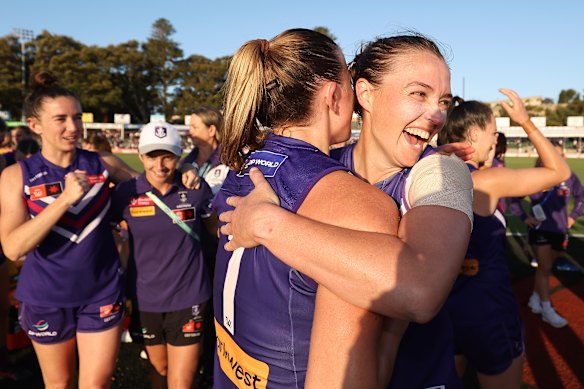
smh.com.au: Gabby Newton and Ebony Antonio after the Dockers’ elimination final win over the Bombers in 2024. Getty Images
A Troubling Pattern Across the Competition
Clayden, who played 44 consecutive matches for the Suns before being placed on the inactive list during her pregnancy, is not an isolated case. Her departure follows similar list decisions made against established senior players across the league.
Former Carlton captain and three-time All-Australian Kerryn Peterson announced her pregnancy early last year. Three months after giving birth to her son, she was informed of her delisting just days before the club's best and fairest event. In Western Australia, Fremantle fan favourite Ebony Antonio faced a comparable exit after the Dockers celebrated her pregnancy announcement publicly.
In each instance, clubs operated entirely within the existing rules. Because their contracts reached expiration during leave or pregnancy, the players held no entitlement to extension or retention, leaving them effectively jobless during major life transitions.
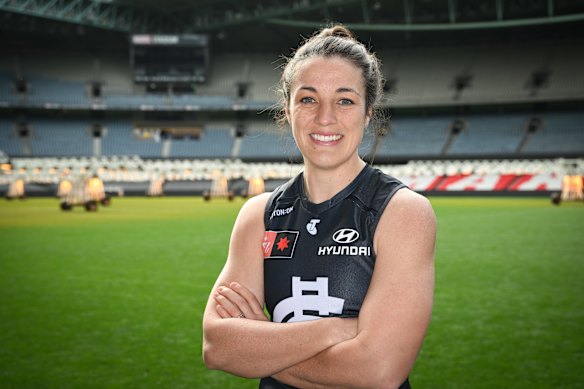
smh.com.au: Kerryn Peterson at AFLW captains’ day back in 2022. She was left devastated when the Blues let her go. Eddie Jim
The List Management Grey Area
To understand why clubs make these ruthless calls, one must examine the roster mechanics created by current league policy. While AFL regulations permit replacement players while an athlete is pregnant, the framework becomes ambiguous once a new mother remains on leave postpartum.
From a club list manager's perspective, re-signing an inactive player on maternity leave carries significant competitive risk. If a team commits a list spot to a player who subsequently decides not to return or is physically unable to resume elite training, the club faces the genuine prospect of playing the season short-handed without guaranteed top-up provisions. For Carlton with Peterson, cutting ties and utilising a draft selection presented the safer roster-building path.
Why the League Must Intervene
While the business rationale behind list management is understandable under the current constraints, leaving the burden on vulnerable players is untenable for a professional competition. The league cannot champion family-friendly workplace policies on one hand while leaving list rules so rigid that clubs feel incentivised to discard pregnant athletes.
Closing this loophole requires clear regulatory changes: guaranteeing roster protections for athletes on sanctioned leave and introducing flexible, permanent list-relief mechanisms so clubs can carry replacement players without penalising mothers. Until the AFL addresses this imbalance, the promise of maternity protection in the AFLW remains incomplete.
Sourcessmh.com.autheage.com.au
FAQ
What parental leave entitlements do AFLW players currently have?
Under the current collective bargaining agreement, AFLW players are entitled to 12 months of paid parental leave, commencing six weeks prior to their due date.
Why are AFLW clubs able to delist pregnant players?
Current AFLW rules do not guarantee a contract renewal if an athlete's contract expires while she is pregnant or on parental leave, leaving clubs free to cut players whose deals have run out.
Which AFLW players have been affected by this loophole?
Gold Coast defender Georgia Clayden, former Carlton captain Kerryn Peterson, and Fremantle veteran Ebony Antonio have all been delisted while pregnant or shortly after giving birth.
Related
 AFLW Grand Final Captains and Coaches Speak Live From 12pm AEDT Ahead of Blockbuster Decider
- Georgie Prespakis Wins AFLW Best and Fairest as Jasmine Garner Secures Record All-Australian Honour
- ‘He Sent Us to a High School Gym’: How the AFLW Can Learn from US Basketball’s Hard Road
- ‘It’s galvanised our group’: How the Swans AFLW team soared above club turmoil
 Claudia Whitfort finds a footy home at Carlton ahead of AFLW preliminary final
 Maddie Quinn's Breakout Rise in Sydney's AFLW Ruck