Why the AFL Commission's New Draft Bidding Rule Has Sparked Backlash from Clubs
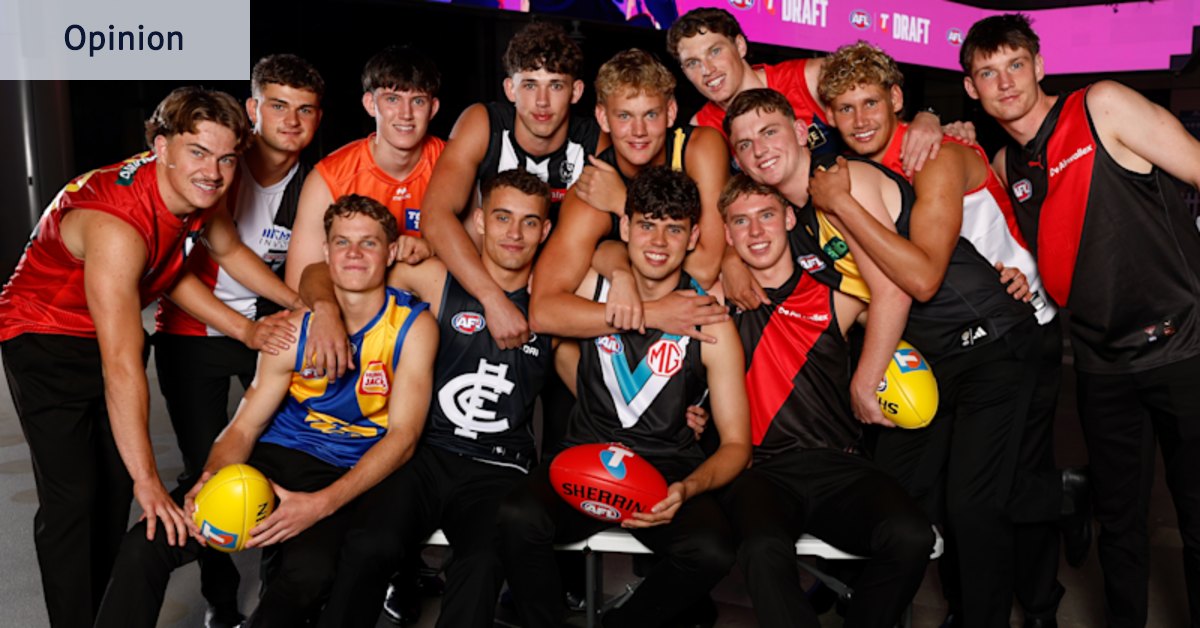
Image sourcesmh.com.au
Key Takeaways
- ›The AFL introduced two draft rule changes to curb father-son and academy bidding discounts.
- ›A two-pick limit on matching bids earned broad support and raised the price on tied prospects.
- ›A rule granting extra second-round picks to bottom-five clubs when top-five bids are matched is widely viewed as a market distortion.
- ›Recruiters argue the mechanism incentivises artificial bidding and disadvantages middle-tier clubs.
The AFL Commission's overhaul of the national draft bidding system has triggered intense debate across club land, with list managers questioning the logic behind a contentious compensation mechanism introduced for early matched bids.
A Tale of Two Rule Changes
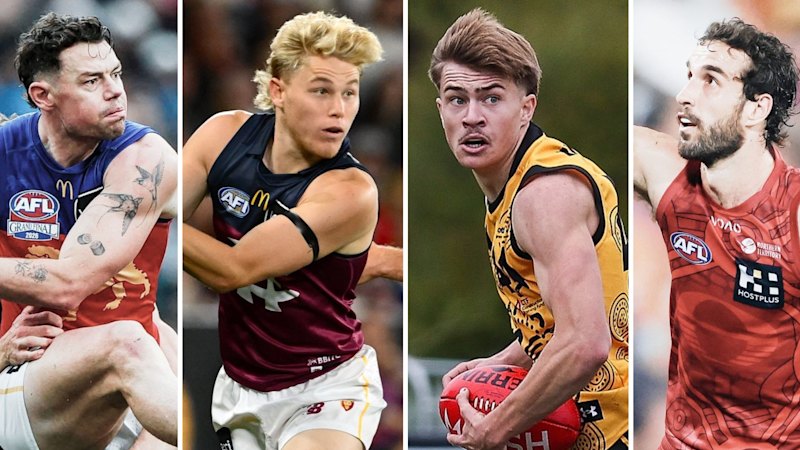
Following sustained scrutiny over the discounted acquisition of elite father-son and northern academy prospects—highlighted in recent seasons by the Brisbane Lions securing Will and Levi Ashcroft, Jaspa Fletcher, and Daniel Annable—the league enacted two key rule adjustments.
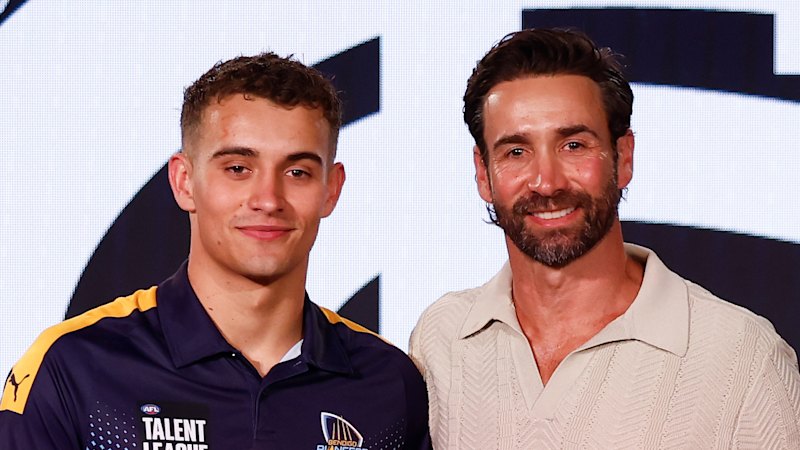
The first change, restricting clubs to using a maximum of two draft picks to match any single bid, has garnered broad industry support. Its impact was immediate on night one of the draft: Port Adelaide, Carlton, and Greater Western Sydney were compelled to surrender meaningful draft capital, while Sydney successfully prised academy prospect Caylen Murray away from Brisbane when the Lions were unable to cover the cost.
The Contested Bottom-Five Bonus
In contrast, the second mechanism—which awards extra early second-round selections to clubs finishing in the bottom five whenever a top-five bid is matched—is being labelled counterproductive by football officials.
When Port Adelaide matched the number one bid for Doug Cochrane, it triggered bonus selections for Essendon (pick 21), Richmond (pick 22), and West Coast (pick 24). Port Adelaide were excluded from receiving an extra choice after acquiring Cochrane, while North Melbourne missed out having earlier traded pick five for Nick Blakey.
Market Distortions and Unintended Outcomes
Club recruiters argue the regulation generates perverse incentives rather than genuine equalisation. By tying compensation to top-five matching events, the rule pressures cellar-dwellers to place bids on tied talent purely to unlock an extra second-round asset, regardless of their own internal draft board rankings.
This dynamic threatens to distort the true value of early selections. Clubs positioned in the middle bracket—particularly those finishing between 11th and 13th—find their second-round hands diluted without receiving any compensatory relief, further complicating an already intricate draft landscape.
Sourcessmh.com.autheage.com.au
FAQ
What is the new two-pick matching rule in the AFL draft?
Under the new rule, clubs can only use up to two draft selections to match a bid on a father-son or academy player, significantly increasing the effective price for top-tier talent.
Which clubs received extra second-round selections under the bottom-five rule?
Essendon (pick 21), Richmond (pick 22), and West Coast (pick 24) received extra second-round picks after Port Adelaide matched the number one bid for Doug Cochrane.
Why did North Melbourne not receive an extra second-round pick?
North Melbourne did not receive a bonus second-round selection because they had previously traded pick five in the deal to acquire Nick Blakey.
Related
 Chewed Up, Spat Out, Still Standing: The Irish Journeyman Who Refuses to Leave the AFL
- Collingwood Posts $6.5m Operating Profit as Match-Day Revenue Rises
- AFL Draft Overhaul Looming as League Puts Father-Son Rule on the Table
- Neale, Fagan and King’s New Journeys Begin as Lions and Suns Set Different 2027 Agendas
- AFL Clubs Call for Father-Son Rule to Be Scrapped in Draft Overhaul
- AFL List Build Plot Twists: Rookie Draft and SSP Lifelines Beckon